Packaging & Identity · 9 min read
Beverage Packaging Design: A Shelf-Ready Checklist for New Brands
Beautiful packaging is not enough. Use this shelf-ready checklist to align brand identity, label information, format, production, and launch-market requirements.
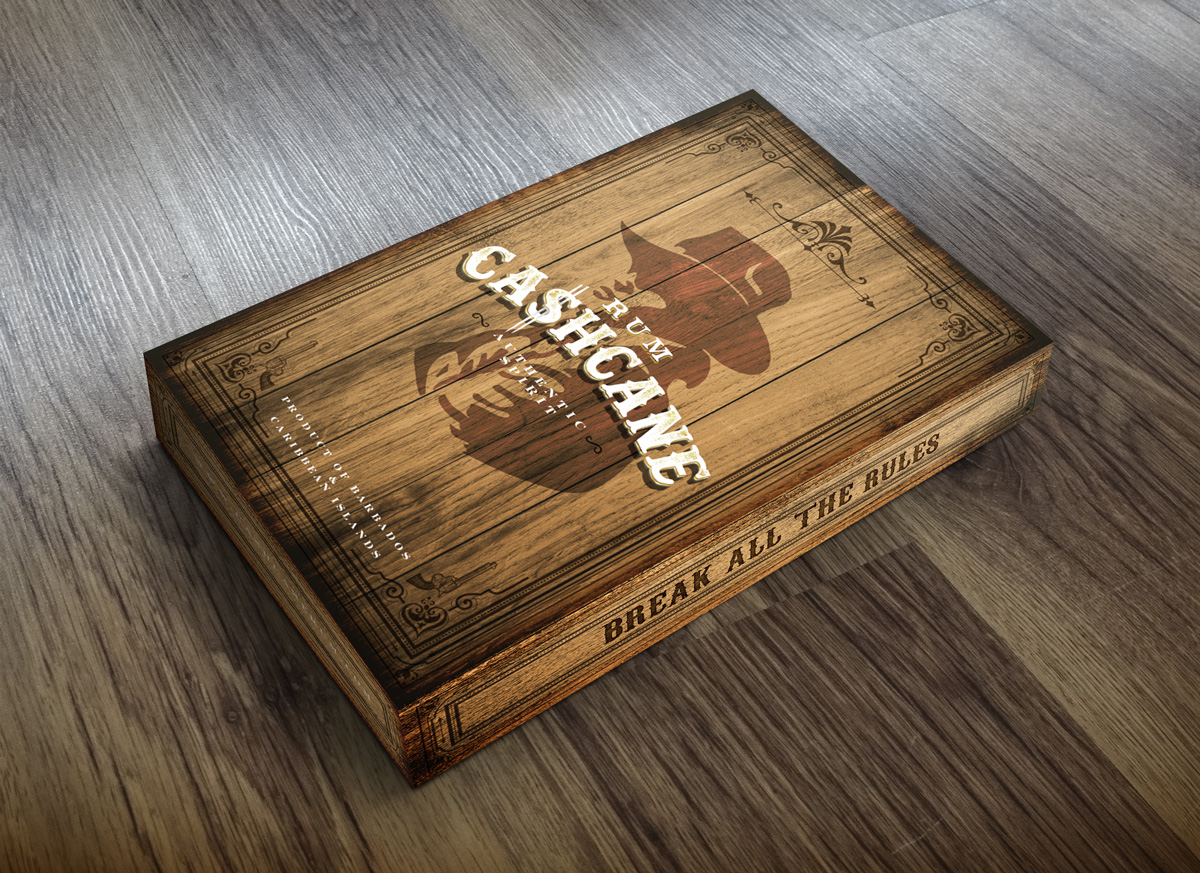
The short answer: shelf-ready packaging must work at three distances. From across the aisle it should signal the category and brand world. In the hand it should reward attention with clear detail. In production and compliance review it must hold up to real requirements.
Design for the first three secondsMost purchase decisions begin before someone reads a paragraph of brand story. Your package must communicate category, tier, and character quickly. A consumer should be able to tell whether they are looking at a celebratory sparkling bottle, a serious aged spirit, a playful ready-to-drink format, or an adult 0% aperitif.
Start with hierarchy, not decoration. Decide what appears first: brand name, product type, flavour, origin, or a distinctive visual asset. Then remove anything that competes with that message. A label becomes more premium when it is more intentional, not when it contains more effects.
Choose the format before final artworkBottle shape, can size, closure, label dimensions, carton, and secondary packaging are strategic decisions. They affect freight, shelf fit, production minimums, perceived quality, and photography. A tall elegant bottle may look right in a luxury bar but become difficult to ship. A heavy glass bottle can support a premium story but may compromise margin or sustainability objectives.
Build a simple format brief before design enters its final stage. Include target channels, standard shelf or back-bar dimensions, case configuration, expected production quantity, product weight, and the unboxing or service ritual you want to create.
Keep brand and compliance in the same conversationCompliance should not arrive at the end as a design emergency. Alcohol, food, and beverage labels are regulated differently by product and market. In the United States, many alcoholic products require a Certificate of Label Approval or exemption through the Alcohol and Tobacco Tax and Trade Bureau, while foods and beverages under FDA jurisdiction have separate label requirements. In the European Union, mandatory food-information rules apply to prepacked foods, with additional rules potentially set by individual Member States.
This is not legal advice, and every product needs market-specific review. The strategic lesson is simple: reserve space for required information early. Do not build a front label that depends on squeezing critical copy into an unreadable back panel later.
Make the pack perform in photographsYour packaging will be seen in commerce grids, social posts, menus, press imagery, distributor presentations, and low-light hospitality environments. Test it in all of them. Does the brand name remain readable on a phone? Does the product silhouette work against a dark back bar? Does the main colour separate from competitors? Can a bartender or retailer explain it without reading a script?
Create a miniature test board with your own package beside the benchmark set you expect to share a shelf or menu with. This is more useful than judging a bottle alone on a white studio background.
Prepare a production handover, not just a final imageA shelf-ready pack requires files, specifications, and decisions that a supplier can use. The handover should identify print finishes, colour references, substrate, label dimensions, legal copy zones, barcode placement, closure, carton requirements, and approval responsibilities. It should also record which elements are fixed and which may change by market or SKU.
The best packaging makes the brand feel inevitable before the consumer has tried the liquid. The Brand Atelier brings product, design, launch-market, and trade context into one package brief so the final bottle is designed to be bought, poured, photographed, and produced.
Published 2026-07-30 — The Brand Atelier