Distribution · 8 min read
How to Distribute Your Drinks Brand in Europe: Markets, Channels, and Strategy
Europe is the world
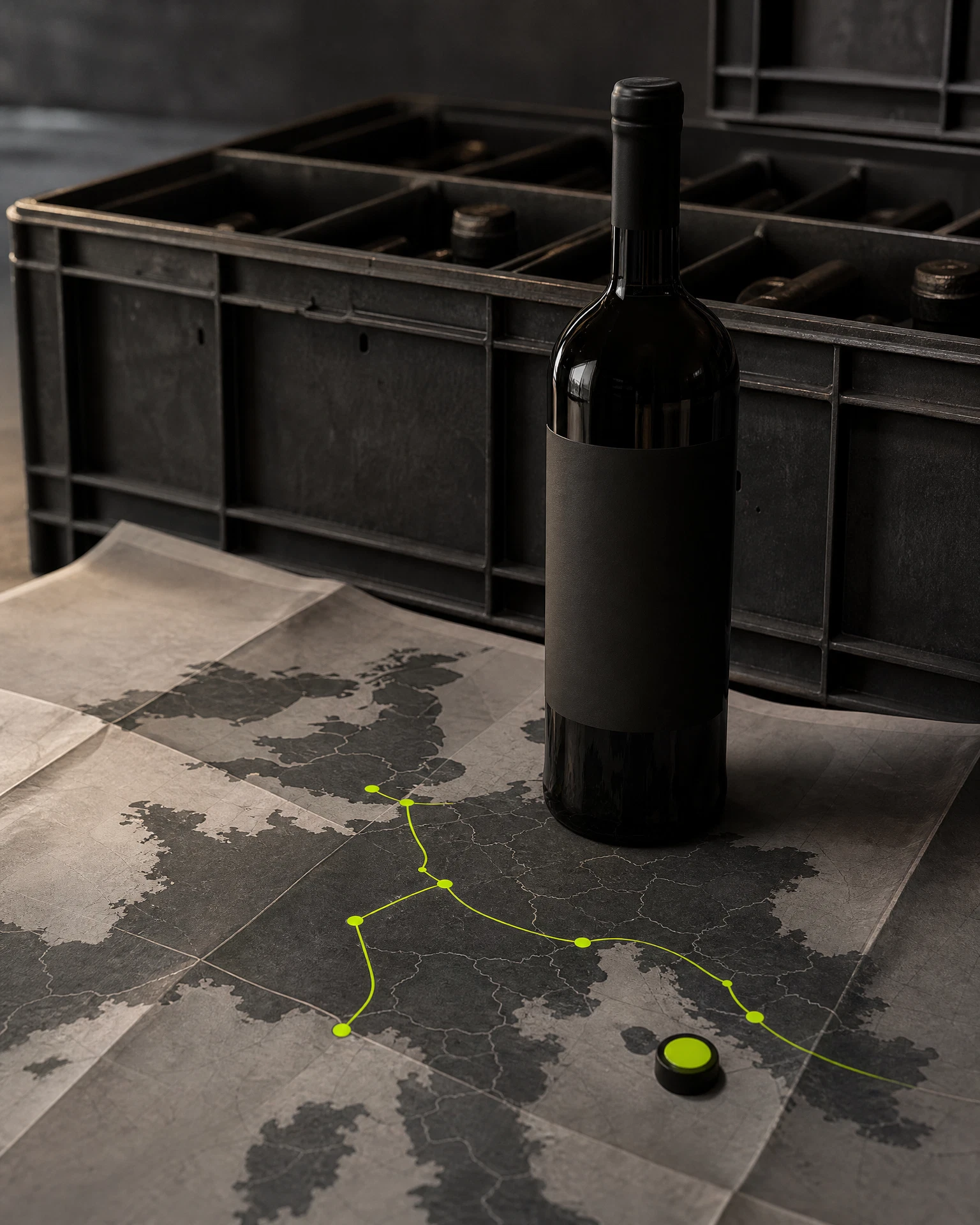
Europe is home to the world's most sophisticated drinks consumers, the most prestigious on-trade venues, and the most complex regulatory landscape. For a new drinks brand, Europe represents both an enormous opportunity and a significant challenge. This guide breaks down the key European markets, the distribution channels that matter, and the strategy that works.
The European Market LandscapeEurope is not a single market — it is 27 EU member states plus the United Kingdom, each with its own distribution structure, consumer preferences, regulatory requirements, and trade dynamics. However, for premium drinks brands, five markets account for the majority of the opportunity: France, the United Kingdom, Germany, the Netherlands, and the Benelux region.
France is the home of luxury drinks — Champagne, Cognac, Bordeaux, Burgundy. It is also the most competitive market for premium drinks, with deeply entrenched local brands and a sophisticated trade that is difficult to impress. But a successful French launch provides credibility that opens doors across Europe and globally. The on-trade is king in France — a listing at a prestigious Parisian restaurant or hotel bar is the most valuable marketing investment you can make.
The United Kingdom is the most accessible European market for international brands. English is the business language, the three-tier distribution system (though less rigid than the US) is well-understood, and British consumers are adventurous and willing to try new brands. The UK on-trade — London cocktail bars, gastropubs, hotel bars — is globally influential. Post-Brexit, import regulations have changed, but the market remains highly attractive.
Germany is the largest economy in Europe and a significant drinks market, particularly for beer, wine, and spirits. German consumers value quality and authenticity. The retail channel (dominated by Rewe, Edeka, and the discounters) is important, but for premium brands, the on-trade and specialist retail are the right entry points.
Distribution Channels in EuropeEuropean drinks distribution operates through several distinct channels. Importers and distributors are the primary route to market for international brands — they hold the licences, manage logistics, and have the trade relationships. Agent-based distribution (where an agent represents your brand to the trade on commission) is common for smaller brands. Direct-to-trade (selling directly to restaurants, bars, and retailers) is possible in some markets but requires significant local infrastructure. Direct-to-consumer e-commerce is growing but is heavily regulated in many European markets.
For a new brand, the importer/distributor route is almost always the right starting point. Key criteria for selecting a European distributor: their existing portfolio (complementary, not competing); their on-trade relationships in your target cities; their financial stability and payment terms; and their marketing support capabilities.
Regulatory RequirementsEuropean drinks regulation is governed primarily by EU law, with additional national requirements. Key compliance areas include: label requirements (EU mandatory label elements, language requirements for each market); import documentation (EUR.1 movement certificates, certificates of origin); excise duty (each country has its own excise duty rates and payment mechanisms); and food safety compliance (HACCP, allergen declarations).
Post-Brexit, the UK has its own regulatory framework that diverges from EU requirements in several areas. UK-specific requirements include: UK Conformity Assessed (UKCA) marking for some products; UK-specific health warning on alcohol labels; and UK import documentation separate from EU documentation.
Building Your European Launch StrategyThe most common mistake international brands make in Europe is trying to launch everywhere simultaneously. The resources required to build meaningful distribution across multiple European markets simultaneously are beyond most new brands. The recommended approach: choose one or two markets for your initial launch, build genuine on-trade presence and brand credibility, then use that success to expand.
For most premium drinks brands, the recommended sequence is: launch in France or the UK first (the two most influential markets for premium drinks globally); build on-trade presence in Paris or London; generate press coverage and social proof; then expand to Germany, Benelux, and beyond.
Pricing for European MarketsEuropean pricing must account for import duties, distributor margins, and local market price expectations. A typical European margin structure: import duty (varies by category and country of origin); distributor margin 25–35%; on-trade markup 200–350%; retail margin 30–40%. Premium positioning is generally easier to sustain in Europe than in the US — European consumers are more comfortable paying for provenance, story, and craftsmanship.
The Brand Atelier's European ExpertiseThe Brand Atelier was founded in Europe and has built brands that are now distributed across 25 countries. Our portfolio — Cashcane Rum (25 countries), Champagne Luna (9 countries), Dandy Duck Blended Scotch Whisky, Idylle Rosé, Sérac Champagne, and Guapaya Rum — has been built through exactly the distribution strategy described in this guide: start focused, build credibility in the right venues, and scale from a position of strength. If you are ready to build your European distribution strategy, we are ready to help you execute it.
Published 2026-06-05 — The Brand Atelier