Brand Building · 8 min read
From Brand Brief to Brand Deck: What Drinks Founders Need to Define
A strong drinks brand deck is not a collection of pretty slides. It is a commercial story that aligns product, customer, identity, pricing, and launch strategy.
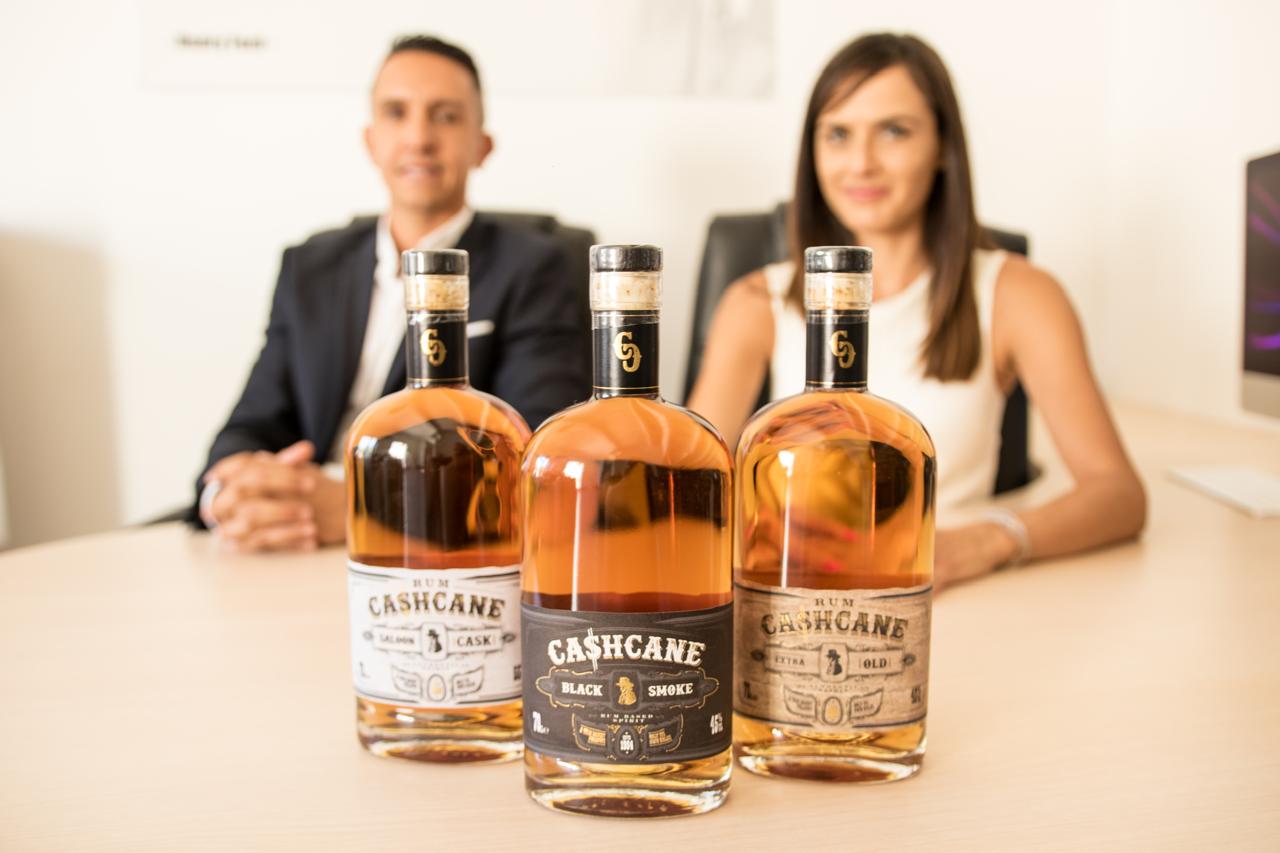
The short answer: a brand brief defines the choices; a brand deck explains why those choices will work. Together, they turn a drinks idea into a story that a creative team, producer, retailer, distributor, or investor can understand.
The brief is the source of truthBefore a deck, define the commercial core. What are you creating? For whom? In which occasion? At what price? In which first market? Why should a buyer, consumer, or partner believe the offer? A brief is not a creative restriction. It is the decision document that protects the idea from becoming vague when multiple people begin working on it.
Include the product, customer, position, benchmark set, price frame, target geography, route-to-market hypothesis, brand personality, practical constraints, and desired launch outcome. If a detail is unknown, state it as a question with an owner and deadline rather than hiding it behind broad language.
The deck turns strategy into an understandable journeyA useful deck normally begins with a clear opportunity or consumer tension. It then introduces the brand’s answer, product, customer, identity world, competitive context, price and channel logic, launch plan, and the next decision required from the reader. The order should mirror how a skeptical partner thinks: why now, why this, why this team, and what happens next?
Avoid using the deck to prove that every answer is final. Early-stage decks should show disciplined thinking, an honest view of assumptions, and a plan for validating the remaining questions.
Make the product and brand inseparableThe best drinks decks do not treat the liquid, brand, and channel as separate chapters. A bottle design should demonstrate the intended price tier. A product story should help the buyer explain the product. A launch venue should reinforce the brand world. A founder story should reveal why the company can execute.
When these elements are disconnected, the deck may look polished but fail to create confidence. When they reinforce one another, the reader can see the brand in a real place: on a shelf, on a menu, in a hand, or in a distributor portfolio.
Use evidence with careEvidence can include product testing, benchmark observations, producer capabilities, category behaviour, early buyer feedback, venue targets, pricing logic, and the team’s relevant experience. Use only claims you can support. If a market size, forecast, award, price point, or distribution result is not verified, do not present it as fact.
Specific, truthful evidence builds more credibility than inflated projections. A clear early roadmap is more persuasive than a beautiful slide full of unsupported certainty.
Prepare different versions for different readersYou may need a founder master deck, a producer or sourcing brief, a distributor-facing sell-in deck, an investor version, and a brand guideline document. They share a source of truth but serve different purposes. Do not force every reader through the same twenty-page story.
The supplier needs specifications and timing. The distributor needs margin logic, sell-in tools, and a clear account target. The investor needs a commercial model and execution plan. The creative team needs a precise identity system. A single core strategy can support all of them.
Know what should be locked before design beginsBefore final logo, packaging, website, and deck production, lock the positioning, target audience, first market, price direction, product format, benchmark set, and main brand story. Then let the design system express those decisions consistently.
The Brand Atelier creates the strategic brief and the visual narrative together, so founders move from a strong idea to a brand deck that can guide real conversations and real production work.
Published 2026-07-02 — The Brand Atelier