0% Alcohol Brands · 8 min read
How to Launch a 0% Alcohol Brand: The Fastest-Growing Drinks Category
The no-alcohol drinks market is growing at 25% per year. Here is how to create and launch a premium 0% alcohol brand in 2026.
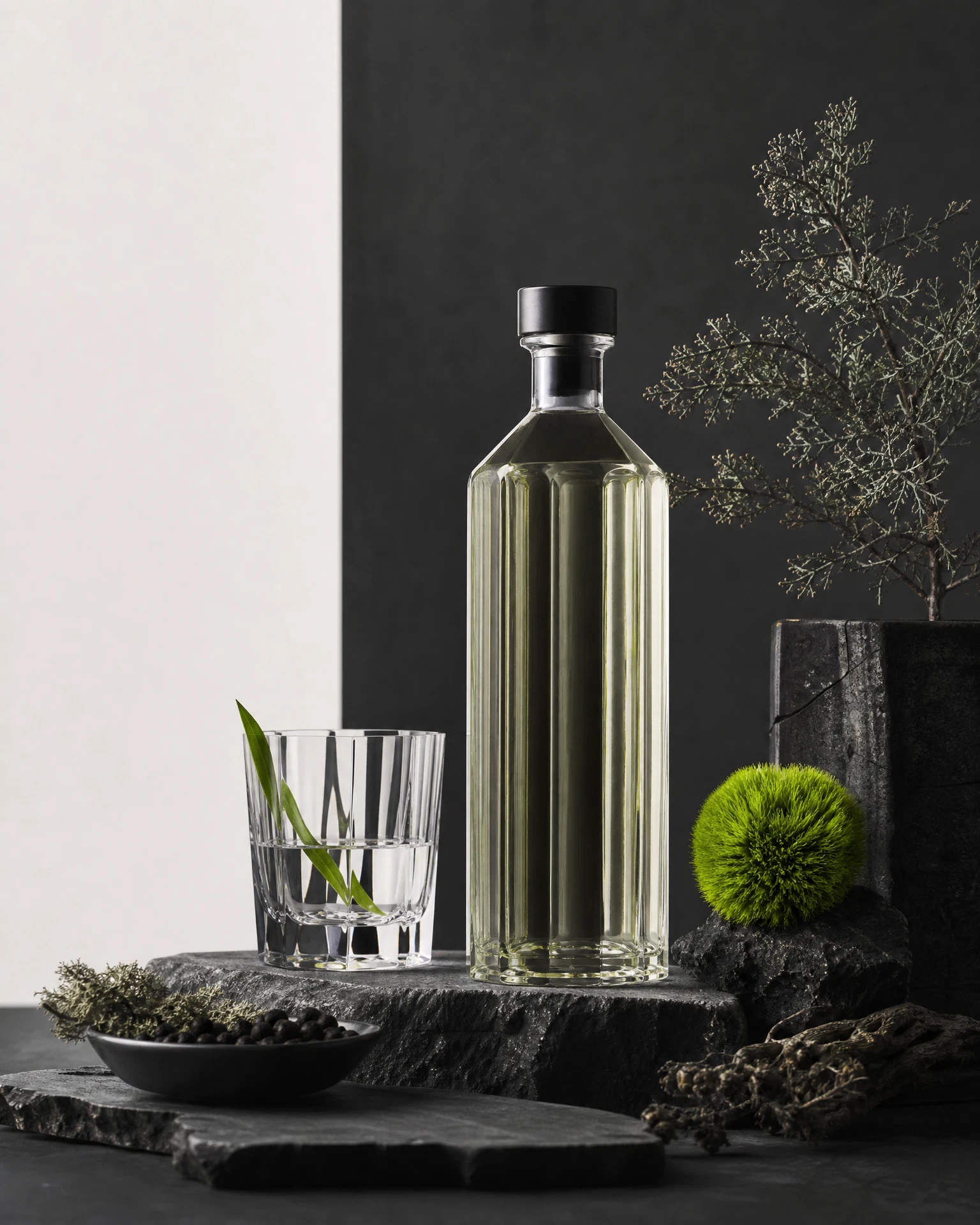
The no-alcohol and low-alcohol drinks market is the most exciting growth story in the beverage industry. Global sales of no-alcohol drinks grew 25% in 2024 alone. By 2030, the category is projected to represent 10% of total drinks sales globally. For brand builders, this is a rare window — a category with massive consumer tailwinds, relatively low barriers to entry, and enormous white space for premium positioning.
Why 0% Alcohol Is the Opportunity of the DecadeThree forces are driving the no-alcohol revolution. First, the wellness movement: consumers across all age groups are moderating their alcohol consumption, driven by health consciousness, mental health awareness, and the sober-curious movement. Second, the premiumisation of the category: early no-alcohol products were poor-quality substitutes. Today, premium no-alcohol spirits, wines, and beers are genuinely excellent products that compete on taste, not just abstinence. Third, the social normalisation: ordering a non-alcoholic drink at a bar or restaurant is no longer stigmatised — it is increasingly seen as a sophisticated choice.
The 0% Alcohol Category LandscapeThe no-alcohol market encompasses several distinct sub-categories. No-alcohol spirits (NA spirits) are distilled or crafted beverages designed to replicate the complexity and ritual of spirits without the alcohol — brands like Seedlip, Lyre's, and Monday have pioneered this space. No-alcohol wine includes dealcoholised wines (where alcohol is removed after fermentation) and wines made from grapes that never ferment to full alcohol. No-alcohol beer is the most established sub-category, with major brewers investing heavily. No-alcohol cocktail mixers and ready-to-drink (RTD) products are the fastest-growing segment. And functional drinks — beverages with added adaptogens, nootropics, or botanicals — represent the premium frontier.
Defining Your 0% Brand ConceptThe most important decision in launching a 0% brand is positioning. The category has two distinct consumer segments. The first is the "health and wellness" consumer — someone who is actively reducing alcohol for health reasons and wants a product that supports their lifestyle. The second is the "sophisticated drinker" — someone who wants the ritual and pleasure of a premium drink without the alcohol, and who is not necessarily avoiding alcohol entirely. These two segments require very different brand identities, packaging languages, and distribution strategies.
The most successful 0% brands are built around a clear, compelling concept that goes beyond "no alcohol." Seedlip built its brand around the ritual of the cocktail and the complexity of botanical distillation. Lyre's built its brand around the idea that you should not have to compromise on taste or occasion. Your brand needs a similarly clear positioning.
Formulation and SourcingFor no-alcohol spirits, you have several production routes. Distillation of botanicals without alcohol produces complex, layered flavours — this is the Seedlip approach. Cold-pressed botanical extraction produces fresh, vibrant flavours. Fermentation of botanicals (without alcohol production) creates depth and complexity. Many new brands work with contract manufacturers who specialise in NA spirit production — minimum orders typically start at 500–1,000 litres.
For no-alcohol wine, dealcoholisation technology has improved dramatically. Spinning cone column and vacuum distillation methods can remove alcohol while preserving flavour compounds. Several European producers now offer white-label dealcoholised wines for brand builders.
Packaging and Brand IdentityPackaging is critical in the 0% category because the product must communicate premium quality and overcome the consumer's preconception that no-alcohol means inferior. Your bottle, label, and brand identity must signal luxury and sophistication — not health food. The most successful 0% brands invest as much in packaging as premium spirits brands. Budget €8,000–20,000 for bottle design and label development.
Key packaging decisions: bottle shape (distinctive shapes command premium pricing); label design (clean, sophisticated, premium); closure type (cork vs. screw cap vs. proprietary closure); and secondary packaging (gift boxes, carry cases).
Compliance and LabellingNo-alcohol drinks face a complex regulatory landscape. In most markets, beverages below 0.5% ABV are classified as non-alcoholic. However, labelling requirements vary significantly. In the EU, beverages below 1.2% ABV cannot use the word "wine" or "beer" on the label. In the United States, beverages below 0.5% ABV are regulated by the FDA rather than the TTB, which simplifies compliance. In the United Kingdom, post-Brexit rules apply. Always work with a regulatory specialist for your target markets.
Distribution StrategyThe 0% category has unique distribution dynamics. On-trade (bars and restaurants) is the most important channel — getting your product listed at premium cocktail bars and restaurants is the fastest way to build credibility and trial. Off-trade (retail) is growing rapidly, with major supermarkets and specialist retailers dedicating increasing shelf space to the category. Direct-to-consumer e-commerce is particularly strong in this category, as health-conscious consumers are comfortable buying online.
What Does It Cost?Entry-level 0% spirits brand (1,000 bottles, basic branding): €20,000–€40,000. Premium brand (3,000 bottles, professional identity, compliance, website): €50,000–€100,000. Full launch with marketing campaign: €100,000–€250,000.
At The Brand Atelier, we have been building 0% alcohol brands since before the category went mainstream. Our 10-week brand creation process is perfectly suited to this category — fast enough to capitalise on the current growth wave, thorough enough to build something that lasts. If you are ready to launch your 0% brand, let us build it together.
Published 2026-05-30 — The Brand Atelier