0% Alcohol Brands · 10 min read
Launching a 0% Drinks Brand: Product, Positioning, and Label Readiness
A practical guide for founders building an adult 0% drinks brand, from flavour and ritual to claims, packaging, pricing, and the first route to market.
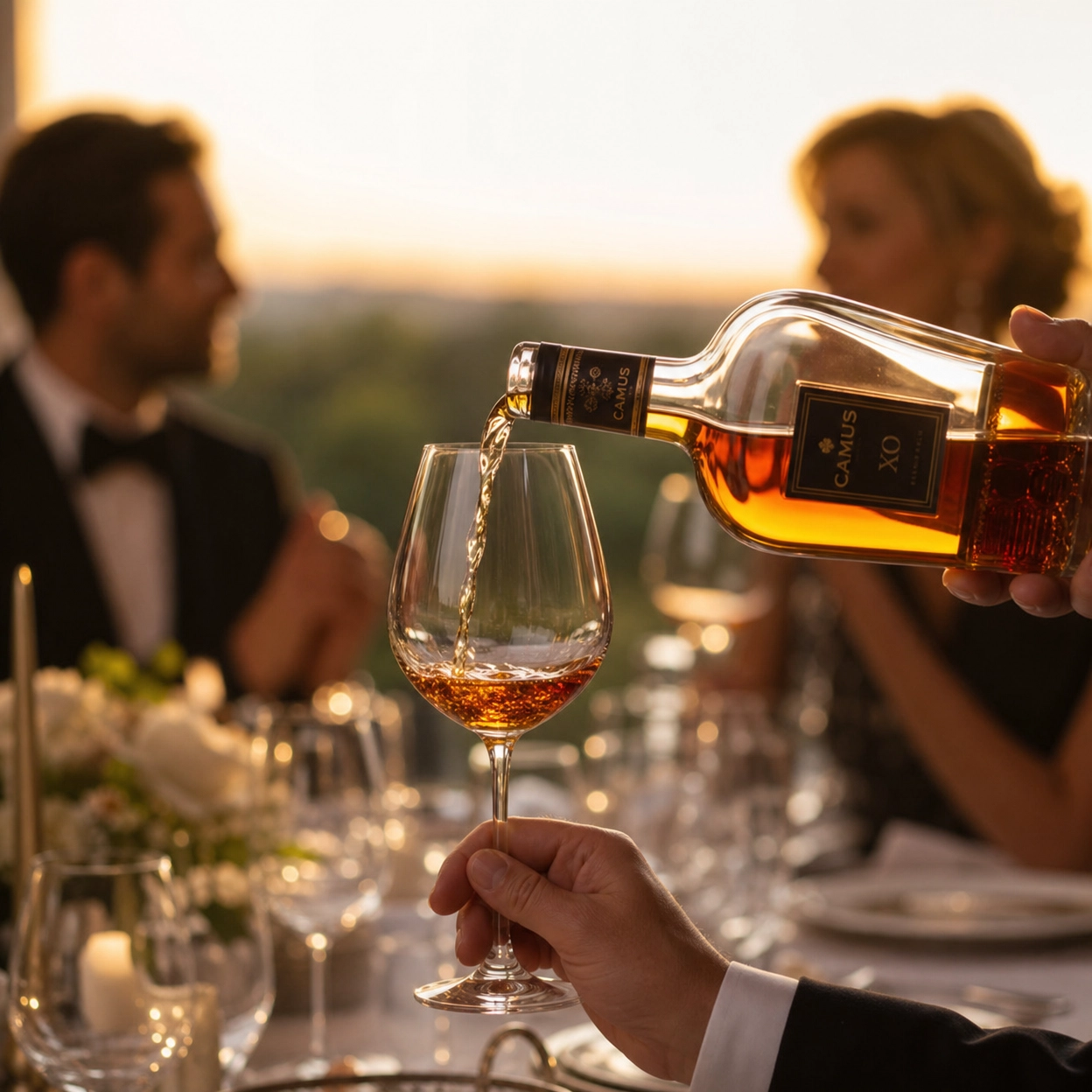
The short answer: a compelling 0% drinks brand should offer an adult alternative, not an apology. The strongest concepts combine a clear ritual, credible flavour complexity, a visible reason to choose the product, and a pack that belongs in the customer’s real occasion.
Choose the role before the recipeThe phrase “non-alcoholic” describes what is absent, not what the customer receives. Define the product’s positive role. Is it an aperitif served before dinner, a sophisticated mixer, a celebratory sparkling pour, a daytime social drink, or a bar-quality cocktail base? Each role creates a different expectation for format, flavour, price, service, and channel.
Founders should be able to answer, in one sentence, why someone would choose the product even if alcohol were available. If the answer is only “because it has no alcohol,” the proposition needs more work.
Design for adult flavour and ritualAdult beverage occasions often include complexity, bitterness, aroma, temperature, glassware, garnish, pacing, and social signalling. A 0% product does not need to copy a spirit or wine exactly, but it should understand what customers value about the ritual it is entering. Test the product in the way people will actually consume it: neat, over ice, with a mixer, in a cocktail, or at table.
The product brief should define taste direction, serve ritual, format, ingredient story, shelf-life and production requirements, and the one sensory description a bartender or retailer can repeat. This prevents flavour development from becoming disconnected from the brand promise.
Position the product with precisionThe 0% space includes functional beverages, botanical aperitifs, sparkling alternatives, alcohol-free beers and wines, and adult soft drinks. A new brand must make its relationship to the category clear. Are you replacing an aperitif? Creating a new social ritual? Offering an elevated alternative to sugary soft drinks? The decision affects the benchmark set, price architecture, visual cues, and buyer conversation.
Avoid broad health claims unless they have been reviewed for every launch market. Wellness language can attract attention, but it also creates regulatory and credibility considerations. Clear ingredient, taste, and occasion language is usually a stronger foundation.
Make label readiness part of the launch planNon-alcoholic does not mean unregulated. Food and beverage labels may require specific information, and requirements vary by market and product. FDA guidance covers labeling under its jurisdiction in the United States, while EU food-information rules set mandatory particulars for prepacked foods and may be supplemented by national measures.
This is a strategic reminder rather than legal advice. Create a label-information checklist at the same time as the packaging brief, then have qualified local advisers and production partners review the final product before sale.
Choose an early channel that proves the ritualA premium 0% product often performs best where the serving experience can be explained: thoughtful restaurants, cocktail bars, hotels, design-led retail, or a focused direct-to-consumer launch. These channels help educate the customer and give the brand a chance to collect meaningful feedback. Mass distribution can come later, once the product and message are understood.
Build the future system, not just the first SKUPlan how the first product could become a family: different serves, seasonal packs, food pairings, a hospitality activation, a smaller format, or a prestige extension. The system should be visible from the start even if only one SKU launches first.
The Brand Atelier helps founders connect category logic, product development, packaging, pricing, and launch-market readiness. The goal is a 0% brand that people reach for because it adds something to the occasion.
Published 2026-07-09 — The Brand Atelier