Brand Strategy · 6 min read
Private Label vs. Own Brand: Which Is Right for Your Drink?
The key decision every drink brand founder faces. Understanding the difference, the costs, and which route is right for your vision and budget.
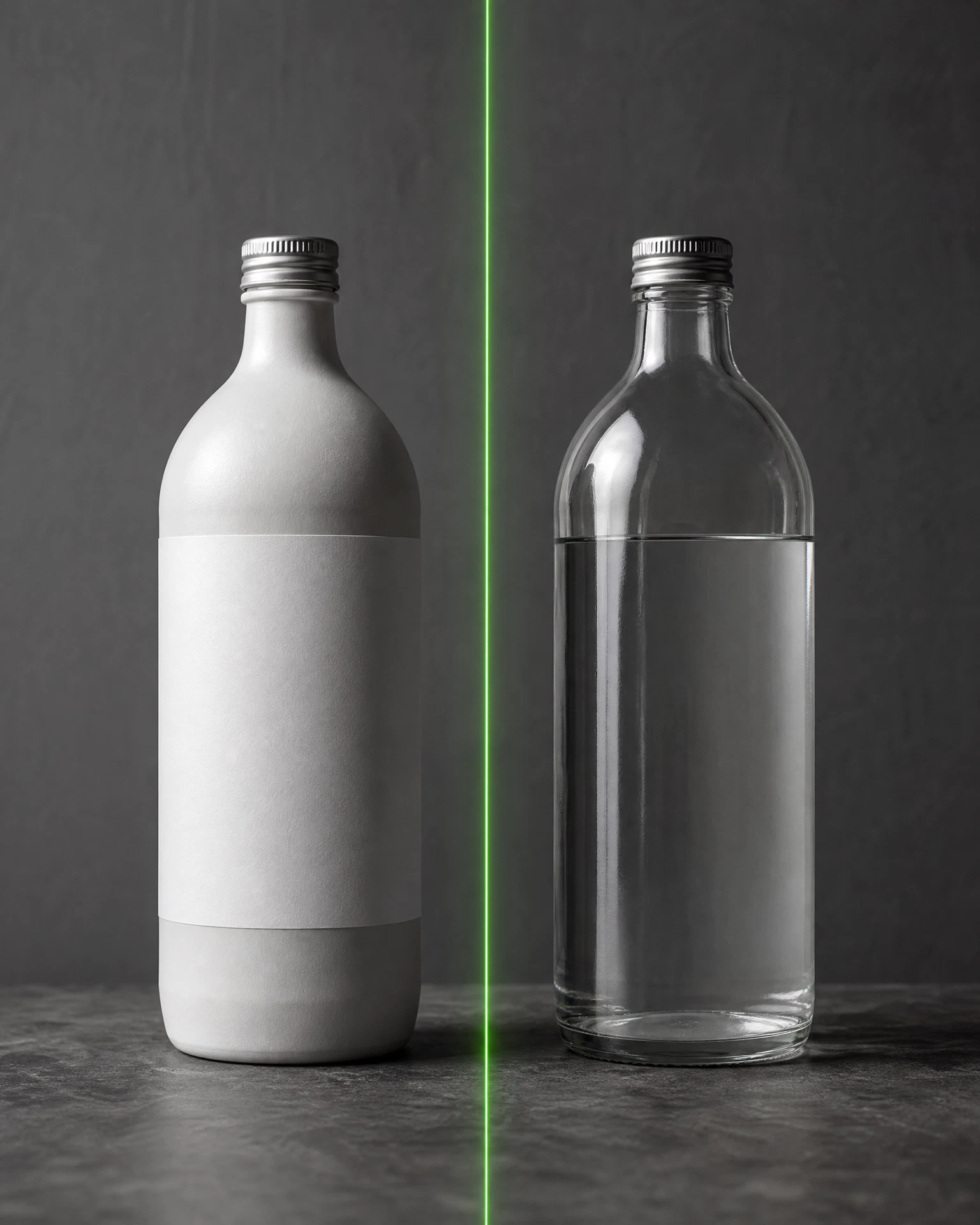
When creating a drink brand, one of the first and most important decisions you will face is: private label or own brand? These terms are often used interchangeably, but they represent fundamentally different approaches with different implications for cost, control, differentiation, and long-term brand value.
Private Label (White Label)What it is: You source an existing product from a producer and apply your own brand to it. The product itself is not unique to you — the producer may sell the same or similar liquid under multiple brand names. Advantages: Lower minimum orders (often 500–1,000 units), faster to market (no recipe development), lower upfront investment, reduced risk for testing the market. Disadvantages: No product differentiation (competitors can source the same liquid), limited storytelling (the product has no unique origin story), lower perceived value (sophisticated consumers and buyers often recognize private label), vulnerable to producer changes. Best for: Testing a market, building a brand on a limited budget, retail or hospitality operators creating house brands.
Own Brand (Custom Development)What it is: You work with a producer to create a product specifically for your brand — a unique recipe, blend, or cask selection that belongs exclusively to you. Advantages: Genuine product differentiation, authentic brand story (the product is truly yours), higher perceived value and pricing power, long-term brand asset (the recipe is yours). Disadvantages: Higher minimum orders (typically 2,000–5,000 units), longer development time (3–6 months for recipe development), higher upfront investment, more complex supply chain management. Best for: Serious brand builders with a long-term vision, premium positioning, influencer brands, brands targeting on-trade and specialist retail.
The Brand Atelier RecommendationFor most of our clients, we recommend a hybrid approach: start with a high-quality private label product while developing your own custom recipe in parallel. This allows you to go to market quickly, generate revenue, and build brand awareness while your signature product is being developed. The key is to invest properly in the brand identity from day one — because the brand is the long-term asset, not the liquid.
Published 2025-01-27 — The Brand Atelier