Retail & Distribution · 9 min read
Retail-Ready Drinks Brand Checklist: From Bottle Mockup to Sell Sheet
A buyer needs more than a beautiful bottle. Use this checklist to prepare product information, commercial proof, samples, and sales tools for a retail or on-trade conversation.
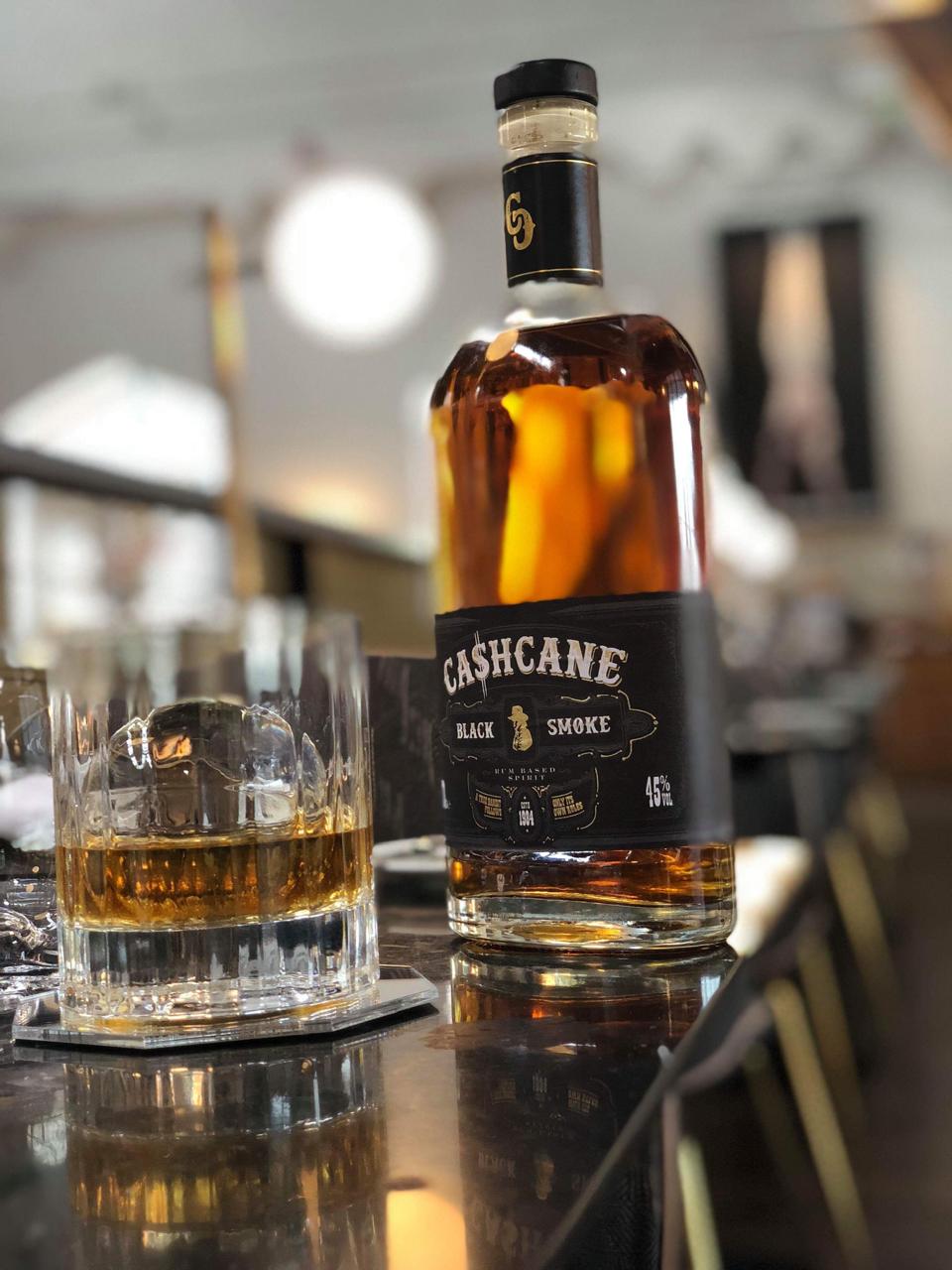
The short answer: a retail-ready drinks brand makes it easy for a buyer to understand what the product is, why it belongs in the assortment, how it makes commercial sense, and what support will help it sell.
A mockup starts the conversation; a sell sheet moves it forwardBottle mockups are useful because they make an idea tangible. They are not enough to support a buying decision. A buyer or distributor needs a concise document that connects the image to real product information, pricing, pack format, available inventory, launch support, and a reason the product will earn attention.
Build the sell sheet as a one-page commercial tool, not an advertisement. Its job is to help someone else retell the story accurately after the meeting.
Include the essential product factsEvery sell sheet should clearly state the brand and product name, category, liquid description, format, alcohol content where relevant, pack and case configuration, barcode status, origin, suggested retail or serve price, availability, and contact information. If any detail is not final, label it as provisional rather than guessing.
For an on-trade product, include the recommended serve, glassware, garnish, and a simple menu description. For retail, show the shelf-facing pack, case details, and the customer occasion the product serves. The reader should not need to search your website to understand the essentials.
Give the buyer a category reasonYour product does not enter a portfolio simply because it is new. Explain the consumer need, the target customer, the benchmark space, the price tier, and the reason the product complements rather than duplicates existing brands. This is where your positioning and competitor analysis become commercial assets.
Avoid generic claims such as “disruptive” or “game changing.” Instead, explain the specific difference: an adult 0% aperitif with a service ritual, a giftable premium rum with a defined hospitality target, a rosé designed for a particular social occasion, or a contemporary whisky with a recognizable personality.
Show that the brand can support the listingBuyers consider whether the supplier can create demand and maintain supply. Outline the launch activity you can genuinely deliver: sampling, account visits, staff training, founder appearances, social content, press outreach, a cocktail serve, point-of-sale assets, or a limited launch programme. Do not promise a national campaign if the first six months are focused on twenty accounts.
The support plan should match the first channel. A premium restaurant needs a different toolkit from an e-commerce launch or specialist retailer.
Prepare samples and a conversation pathA buyer meeting should have a clear next step. Depending on the stage, that could be a sample tasting, commercial review, packaging approval, introduction to an importer, or a small launch order. Keep a simple follow-up plan with date, owner, documents needed, and the decision you are seeking.
The product should taste and look consistent with the sell sheet. A disconnect between the visual promise, liquid, and commercial facts is one of the fastest ways to lose confidence.
Think beyond the first listingThe first account is a proof point. Capture the result: photos, customer comments, reorder information, menu placement, staff feedback, and learnings about price or service. This evidence strengthens the next sales conversation and helps refine the brand before a wider rollout.
The Brand Atelier turns brand strategy into the practical tools that help drinks founders sell: packaging direction, sell sheets, launch decks, service rituals, and a clear story for the shelf and the trade.
Published 2026-06-25 — The Brand Atelier